

Words Are Great, We had To Write Them Down
Words Are For Everybody
Today, most of us take reading for granted. Words are everywhere. They are on our phones, televisions, cereal boxes, medicine bottles & websites. If you want a book, you can buy one for a few dollars, borrow one from a library, or download an eBook in seconds. We live in a world surrounded by words, but for most of human history that was not the case. There was a time when being able to read was unusual, books were rare,
and owning even a few could be a sign of wealth. A large personal collection of books was something only the very wealthy could dream of having. This has led to an idea that sounds okay at first. Kings, priests, and wealthy people had the books, while the poor did not, so the people in power must have deliberately kept books away from everyone else and refused to teach ordinary people to read.
There is some truth hiding inside that idea, but history is rarely that simple. Religious and political leaders have certainly tried to control information. Governments have banned books, religious authorities have restricted certain writings, and rulers have punished people for spreading ideas they considered dangerous. Censorship is nothing new. It has existed in one form or another for thousands of years. But there was also a much more practical reason most poor people did not own books or learn to read: money.
Scribes Wrote By Hand
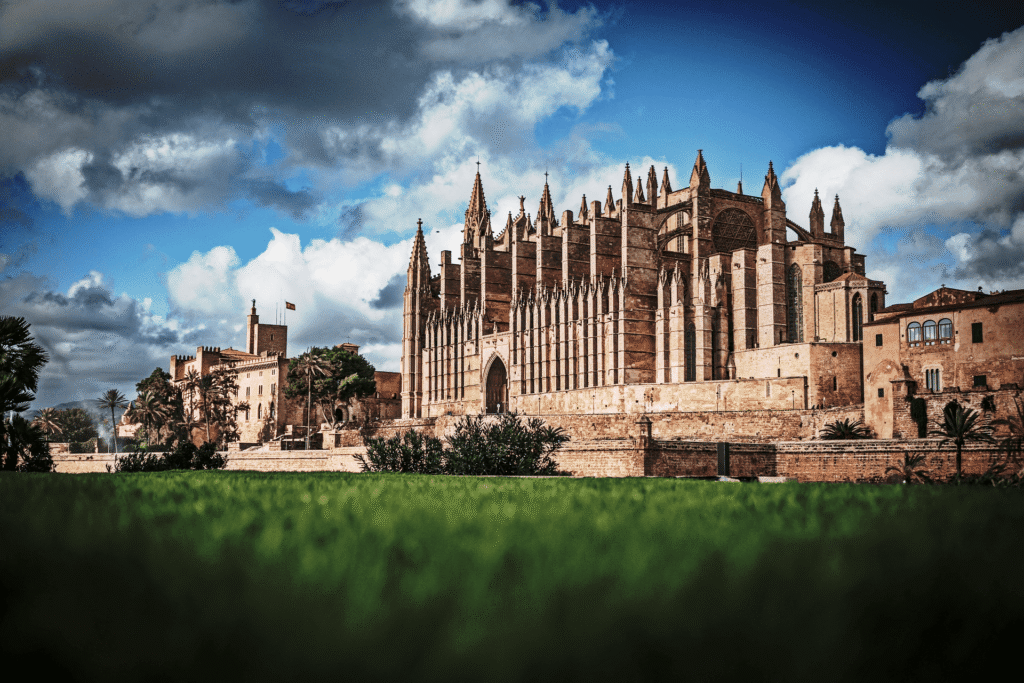
Before the printing press, making a book was an enormous job. There was no machine sitting in the corner printing a hundred pages a minute, and there certainly was no copy button. If you wanted another copy of a book, somebody had to make it by hand. Imagine copying a 300-page book with a pen, all of the words into a sentence, and on a page. Now imagine doing it without electric lights, modern pens, a comfortable office chair, or a computer to catch your mistakes. Depending on the time and place, the material you were writing on could also be expensive.
Papyrus had to be made and transported. Parchment was made from prepared animal skins and required a great deal of work. Then someone had to spend weeks or months writing the book, and that person also had to eat. Suddenly a book was not a ten-dollar item sitting on a store shelf. It represented materials, skilled labor, and a tremendous amount of time. A beautifully made book could be worth a small fortune.
That changes the picture quite a bit. A farmer working from sunrise to sunset was probably not standing outside a monastery thinking, “Those priests won’t let me have a book.” He had other problems. His family needed food. Crops needed to be planted. Animals needed to be cared for. A roof needed repair, and winter was coming. If his family had a little extra money, spending it on a handmade book would make about as much sense as a family today spending their grocery money on a luxury car. Even if he wanted a book, he probably could not afford one. Then there was another problem. Who was going to teach him to read it?
Learning to read takes time. We sometimes forget that because most of us began learning when we were children. We spent years in school surrounded by teachers, books, pencils, paper, and other students who were learning the same thing. Imagine trying to do that while working twelve hours a day just to survive. For many ordinary people, education was not something they could easily fit into their lives. Children worked too. They helped on farms, cared for animals, worked in family businesses, or learned a trade. Sending a child away for years of education could mean losing a worker the family needed, and education itself also cost money. Teachers had to live too.
So literacy often followed wealth, not simply because wealthy people wanted to keep reading to themselves, but because wealthy families could afford the time, teachers, and books required to become educated. If you were the child of a wealthy merchant, nobleman, government official, or other powerful family, your parents might be able to hire someone to teach you. If you entered religious life, reading might become part of your training. If you became a scribe, reading and writing were your profession. If you spent your days trying to grow enough food to keep your family alive, things were different.
Nobility Had The Wealth, Books Were Expensive

This is important because it changes the way we look at the past. It is easy to judge people from hundreds or thousands of years ago using the world we live in today. We have public schools, libraries, cheap paper, printers, free websites, and smartphones that can hold more books than some ancient kingdoms possessed. They had none of that. For thousands of years, the written word was expensive. Then something happened that helped change everything: printing.
Printing existed in Asia long before it became common in Europe. Chinese printers were using woodblocks centuries earlier, and movable type was also developed in Asia. But in Europe during the 1400s, Johannes Gutenberg became famous for developing a practical system of movable metal type and printing. The idea seems simple now.
Instead of writing every page by hand, individual letters could be arranged to create a page. Ink was applied, paper was pressed against the type, and a copy of the page was made. Then another could be made, and another, and another. Once the type was arranged, producing the next copy became much easier than writing the entire page again by hand. That changed the economics of words.
Suppose it takes months for a trained person to copy one book. Producing ten copies means an incredible amount of work. But if a printing press can produce page after page from the same set of type, the cost of each copy begins to fall. Books did not suddenly become cheap enough for everyone. That took time, but the wall had started to crack. More books were produced, more people could afford them, and more people wanted to learn to read because there were more things available to read. As literacy increased, the demand for books increased. As demand increased, printers produced more books. The written word was beginning to move.
Then it kept moving. Newspapers appeared. Pamphlets could be printed and passed from person to person. Political ideas could spread. Scientific discoveries could be published. Religious arguments could travel across countries. Stories could reach people who had never met the person who wrote them. This created opportunities, but it also frightened people in power. Here is where control really does become an important part of the story.
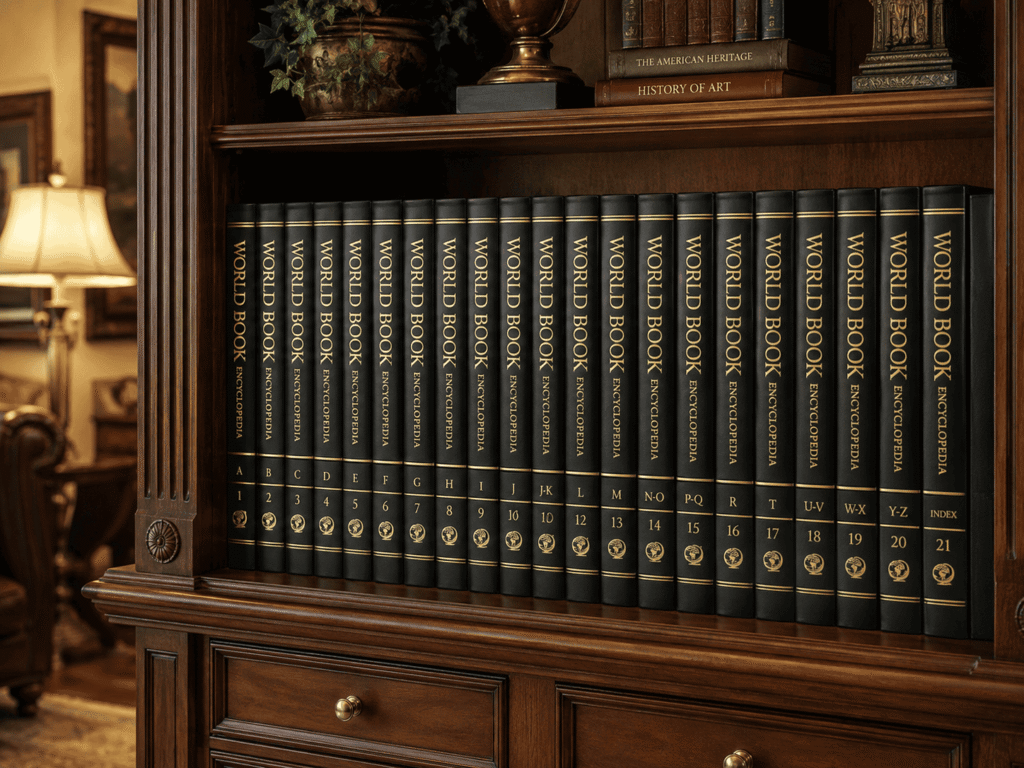
Once ordinary people could get access to written information, governments and religious authorities sometimes tried to control what they read. Books were banned, printers were licensed, writers were punished, and certain religious or political texts were restricted in different places and at different times. The reason was simple. Words are powerful. If only a small number of people can read, controlling information is fairly easy. If thousands or millions of people can read, things become much harder. A person who can read can encounter an idea without a king, priest, teacher, or government official standing beside them explaining what they are supposed to think about it. They can think about it themselves.
That does not mean everything they read is true. People were writing nonsense hundreds of years ago too. Printing did not make human beings smarter overnight. It simply gave more people access to more information, and that changed society. Education slowly expanded, schools became more common, literacy rates rose, and books became less expensive. Public libraries began opening their doors to people who could never afford large personal collections. For perhaps the first time on a large scale, an ordinary person could walk into a building filled with books and read them without having to own them.
Think about what a radical idea that was. You did not need to be a king, priest, wealthy merchant, or scholar. You did not need a room in your house filled with expensive books. You simply needed to know how to read. The public library took knowledge that had once been extremely expensive and placed it within reach of ordinary people. Public education pushed things even further. Teaching children to read became a basic part of growing up in many countries. Reading was no longer mainly a professional skill for scribes, scholars, clergy, merchants, and government officials. It became something society expected nearly everyone to learn.
Then books became cheaper. Industrial printing presses could produce enormous numbers of pages. Paper became less expensive. Transportation improved. Railroads could move books and newspapers across countries, and later trucks and airplanes made distribution even faster. Books became ordinary objects. That may not sound exciting, but it was an amazing change. A paperback novel sitting on a supermarket shelf represents something that would have been almost impossible for much of human history. Thousands of words could be printed clearly, bound together, transported hundreds or thousands of miles, and sold for an amount an ordinary worker could afford.
Then the internet arrived, and suddenly the cost of making another copy of a written work could become almost nothing. An eBook does not require another stack of paper every time someone buys a copy. It does not require ink for each new book, and it does not need a truck to carry it across the country. Once the digital file exists, another copy can be sent almost instantly.
A person can write something in Phoenix and someone in London can read it seconds later. That would have seemed impossible to almost everyone who lived before us. Today, a child holding a basic smartphone can have access to more written information than some of the wealthiest rulers in history could have collected during their entire lives. That is how far we have come.
But access to words still matters. Not everyone in the world has the same educational opportunities. Not everyone has reliable internet service. Books still cost money. Schools and libraries still need funding. Some governments still censor books and websites, and people are still punished in parts of the world for writing things their governments do not like. The fight over who gets to read what has not completely disappeared.

We should also understand how much of the old divide came from something far less dramatic than a secret plan to keep peasants ignorant. Books were expensive. Education was expensive. Time was expensive. If it took months of skilled labor to create a single book, very few people were ever going to own one. If learning to read required years of instruction while your family needed you working in the fields, literacy was going to remain limited.
Technology helped change that. Papyrus made words easier to carry. Libraries gave us places to preserve them. Printing made words easier to copy. Public education taught more people to read them. Public libraries gave more people access to them. Computers made words easier to create and store. The internet made them easier to share, and eBooks made it possible to carry an entire library in your hand.
Each step brought the written word a little closer to everybody. That does not mean every book is good. It does not mean every idea deserves to be believed, and it certainly does not mean everything on the internet is true. It means we have access, and what we do with that access is up to us. A person who could not afford a single handmade book five hundred years ago might have descendants today who carry hundreds of books on a phone. A child whose ancestors had no chance to attend school can walk into a public library and read about mathematics, science, history, art, or anything else that catches their interest.
They can also write their own words, and that may be the biggest change of all. For much of history, getting your words in front of thousands of people required money, power, or access to a printer and publisher. Today, almost anyone can write a story, article, opinion, or book and make it available to people around the world. The gate has not completely disappeared, but it is a whole lot smaller than it used to be.
From clay tablets to papyrus scrolls, from handwritten manuscripts to printing presses, from libraries to paperbacks, and from computers to eBooks, we have spent thousands of years finding better ways to preserve and share our words. The tools changed. The price changed. The number of readers changed. But the words were always there. For most of history, only a small part of the population had easy access to them. Today, billions of people do.
Maybe that is the most important thing to remember about the written word. It should not belong only to kings, governments, churches, universities, publishers, scholars, or people with money. Words are how we teach and how we learn. They are how we tell stories, share ideas, disagree with each other, and pass what we know from one generation to the next. Words are for everybody.